

Car Theft in Nigeria: The Simple Mistakes Putting Motorists at Risk
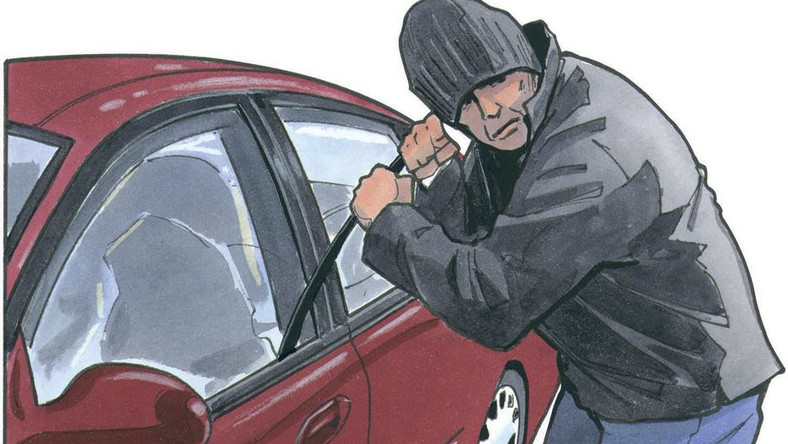
Vehicle burglary and theft continue to trouble motorists across Nigeria, from the congested streets of Lagos to the calmer residential districts of Ibadan, Benin, Abuja, and Jos. Whether it involves a smashed window, a missing battery, or the disappearance of an entire vehicle, the impact is often heavy.
For many Nigerians, a car is not just a possession; it is a livelihood, a means of movement, and a daily necessity. Losing it disrupts work, family responsibilities, and financial stability.
Security analysts say the problem persists because many motorists underestimate the importance of daily safety habits. Experts insist that with consistent awareness and improved neighbourhood cooperation, many cases of burglary and theft can be prevented long before criminals strike.
Rising Concern across Communities
Reports from residents and law enforcement agencies show that criminals are becoming more calculated in their methods. In busy markets like Alaba, Computer Village, Wuse Market, and Oil Mill Market, thieves blend into crowds and strike quickly. In suburbs and estates, they target cars parked overnight without lighting or surveillance.
According to Abegunde Abiodun Michael, a Nigerian telematics and car-tracking expert who has worked on several vehicle-recovery cases, many burglars rely on opportunity rather than sophistication. “Most theft incidents happen because the car is left exposed—either unlocked, poorly parked, or with valuables displayed openly,” he says. “Car thieves are often scanning for the easiest target, not the hardest one.”
Security consultant Christian Othuke Erue, head of Strategy at 360 AutoSecure, also notes that organised groups now monitor neighbourhoods before striking. “They observe patterns,” he explains. “If they notice a vehicle parked daily in a dark corner or left unattended for long hours, they return when it is most vulnerable. Prevention must be deliberate.”
Small Mistakes That Lead to Big Losses
Many victims of vehicle burglary admit that simple oversights contributed to their loss. Some assumed their neighbourhood was safe; others left their cars under dark trees instead of secured compounds. A few placed shopping bags, electronic gadgets, or handbags on the seats, not realising they were attracting attention.
Security officers frequently point out that some motorists forget to activate alarm systems or disable auto-lock features out of convenience. According to an auto-security awareness survey referenced by several transport unions, nearly half of vehicle break-ins involved cars that were unlocked or had valuables visibly displayed.
Changing Habits for Safer Motoring
Experts say the first step toward prevention is cultivating safer habits. Locking doors and windows consistently—even during short stops—is essential. Thieves often target places where drivers step out quickly: fuel stations, kiosks, ATMs, or roadside vendors.
Another key practice is avoiding the display of valuables. Even empty bags can attract thieves, as they assume something valuable might be inside. Motorists are advised to keep items hidden before they arrive at the parking spot.
Parking decisions also play a crucial role. Well-lit areas, places with CCTV cameras, security posts, or consistent foot traffic significantly reduce the risk of burglary. Parking within gated areas or paying for secured parking is safer than leaving the vehicle on isolated roads.
Security tools like steering locks, gear locks, immobilisers, and tracking devices serve as extra layers of protection. Alarm systems, when loud and functional, remain one of the strongest deterrents. Experts like Abegunde Michael emphasise that modern tracking devices have helped recover many stolen cars and should be considered a practical long-term investment.
Motorists are also advised to avoid keeping original car documents inside the vehicle. Criminals can misuse these documents to disguise stolen vehicles, making recovery harder.
Caution With Informal Parking Attendants
Crowded markets and event venues often have informal attendants claiming to “watch” cars. Experts warn that motorists must verify whether such attendants are legitimate. In several reported cases, criminals have posed as attendants to gain access to parked vehicles.
Choosing authorised parking or well-supervised spots reduces these risks. The cost of safer parking, they argue, is far cheaper than the cost of a stolen or damaged car.
How Communities Can Strengthen Security
Beyond personal precautions, communities have a major role to play. Across Lagos, Ogun, Rivers, and the FCT, residents’ associations are responding to rising burglary cases with improved lighting, night patrols, and neighbourhood CCTV installations.
In Ejigbo, Lagos, residents organised a community-watch group after several break-ins were reported in 2024. According to the group’s chairperson, Mrs Bisi Aderinto, teamwork has reduced incidents. “When neighbours communicate and cooperate, criminals have fewer chances to operate,” she explains. “Everyone watches out for everyone else.”
Similarly, some estates in Abuja and Port Harcourt have adopted digital neighbourhood platforms where residents report suspicious behaviour instantly. These systems have helped track unknown individuals loitering around parked vehicles.
Technology Offers New Protection
Modern technology is reshaping vehicle security. Car-tracking devices—once considered expensive—are now widely used by e-hailing drivers, logistics companies, and private car owners. These devices can send alerts when a car is tampered with, track movement in real time, and even immobilise the engine.
CCTV systems in homes and businesses are increasingly popular, giving owners remote access to street views and driveways. When combined with motion-sensing lights, they deter intruders and provide evidence in the event of an incident.
Some motorists also use mobile-app-based security systems that notify them when their car doors open or when movement is detected around the vehicle.
Law Enforcement Efforts and Public Cooperation
The Nigeria Police Force continues to encourage prompt reporting of suspicious activity. Officers say that early reporting helps security teams circulate details of stolen vehicles faster across states and checkpoints.
Law-enforcement agencies also warn buyers to avoid unverified markets for used car parts, as such markets fuel theft. Reducing demand for stolen parts, they say, is key to reducing burglary.
Police spokespeople note that preventing vehicle burglary is a shared responsibility. While officers patrol neighbourhoods, they rely on public vigilance, timely reporting, and cooperation with local security groups.
Why Public Awareness Must Continue
Many Nigerians still underestimate the risk of burglary until it happens to them or someone close. Experts argue that public sensitisation through media, schools, worship centres, and transport unions is essential. Constant reminders help people develop safer habits before incidents occur.
Awareness campaigns in some communities have already shown results. Areas where motorists consistently follow basic safety measures report fewer cases of theft.
A Shared Responsibility for Safer Streets
Vehicle burglary and theft may remain a challenge, but the combination of personal discipline, community involvement, and modern technology provides a strong level of protection. Regularly locking vehicles, hiding valuables, using alarms, parking in safe places, and staying vigilant are simple steps that save motorists from costly losses.
Neighbourhood cooperation, improved street lighting, and community-based security networks strengthen the fight. Technology—from tracking devices to app-based alert systems—adds a powerful layer of defence.
Experts like Abegunde Abiodun Michael and Christian Othuke Erue agree that preventing vehicle burglary is a collective effort. No single strategy is perfect, but together they significantly reduce the risk. In a country where mobility is central to work and family life, protecting vehicles is not just a personal duty—it is a shared community responsibility.



Related to this topic:

Victor Antai: Putting Conscience Above Loyalty
US-Nigeria: The partnership of the hawk and the Hen