
ATMs, PoS vital to stabilising cash distribution, reduce bottlenecks — CBN

The Central Bank of Nigeria (CBN) has underscored the importance of automated machines (ATMs) and point-of-sale (PoS) terminals in ensuring efficient cash distribution and easing operational challenges across the country.
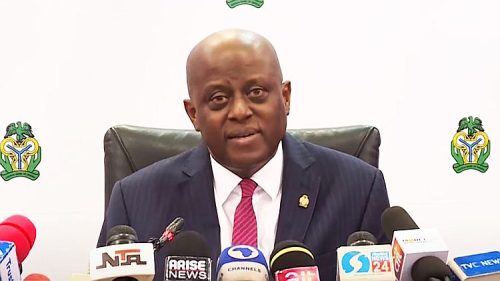
According to NAN, Olayemi Cardoso, governor of the CBN, spoke on Friday at the 2026 Committee of Heads of Bank Operations (CHBO) conference in Lagos, where he cautioned against an overreliance on digital payments that could marginalise rural dwellers, informal traders and small businesses.
Represented by Fatai Karim, his special adviser on operational risk management, Cardoso said physical cash remains central to financial inclusion, despite the rapid expansion of electronic transactions.
“Cash remains king. It is critical that this is maintained,” he said.
While acknowledging the growing contribution of digital payments to economic activity, the CBN governor said they cannot fully substitute cash, particularly in less urbanised areas.
He noted that Nigeria’s payments ecosystem has expanded significantly over the past decade, driven by reforms, technological innovation and evolving consumer habits. According to him, electronic transaction volumes rose by 276 percent over the last five years, while transaction values increased by 581 percent.
“Despite this momentum, cash remains a critical component of everyday transactions, particularly in informal markets, rural communities, and among small businesses,” Cardoso said.
He added that data from the apex bank showed currency in circulation grew by 4.6 percent in 2025, reflecting sustained demand for physical cash alongside digital alternatives.
Cardoso highlighted the role of ATMs, PoS terminals, mobile wallets and contactless platforms in improving access to cash and strengthening the payments system.
“Electronic and digital channels decentralise and stabilise cash distribution, reduce operational bottlenecks, and enhance client experience,” he said.
He also disclosed that the CBN is reviewing its policy on the ratio of bank-issued cards to the number of ATMs in circulation.
“This year, certainly within the next few months, we hope to have clarity once engagements with stakeholders are concluded,” Cardoso said.
The CBN governor added that cash availability goes beyond currency printing and depends on logistics, infrastructure, incentives and coordination among financial institutions. Tracing the evolution of money from commodities to digital currencies, he said the future of money would remain both physical and digital.
Also speaking at the conference, Pius Olanrewaju, president of the Chartered Institute of Bankers of Nigeria (CIBN), said cash and digital payments must function as complementary pillars of the financial system. He noted that although electronic transactions exceeded 60 billion in 2025, cash remains dominant for low-value transactions in informal and rural economies.
Similarly, Abraham Aziegbe, chairman of the CHBO, called for a balanced payment framework. Represented by Tolulope Ogundipe, the association’s first vice chairman, Aziegbe said ATM withdrawals hit N36.34 trillion in the first half of 2025, underscoring Nigerians’ continued reliance on cash.
He called for deeper integration of cash and digital channels, stressing the need for collaboration, innovation and effective oversight to strengthen Nigeria’s financial ecosystem.


Related to this topic:
CBN Reduces Interest Rate to Lowest Level Since May 2024