
Again, Distillers Storm NAFDAC Office in Protest Over Sachet Alcohol Ban
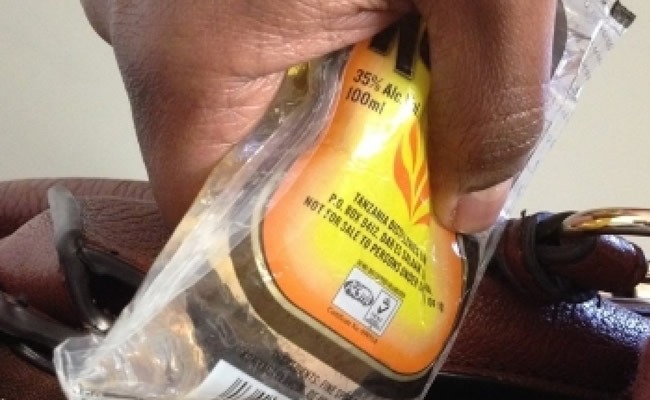
For the fifth time in 2026, aggrieved distillers under the umbrella of the Food, Beverage and Tobacco Senior Staff Association (FOBTOB) have picketed the Lagos office of the National Agency for Food and Drug Administration and Control (NAFDAC), escalating their protest against the agency’s crackdown on sachet alcohol and PET bottles below 200ml.
On Tuesday morning, hundreds of workers comprising both junior and senior staff barricaded the entrance to the NAFDAC office along the Oshodi-Apapa Expressway, effectively paralyzing operations as they prevented vehicles from entering the premises.
Armed with placards bearing inscriptions such as “Tinubu does not want jobs to be lost,” “Stop destroying local manufacturers,” and “NAFDAC should release products put on hold,” the protesters chanted solidarity songs, demanding an immediate reversal of the ban that has led to the sealing of several production lines.
The protest highlights the deepening standoff between the regulatory body and industry stakeholders.
While distillers argue that the ban threatens thousands of jobs and stifles local manufacturing, NAFDAC has maintained that the measure is necessary to curb alcohol abuse, particularly among underage youths.
A major point of contention remains the alleged directive from the Federal Government. The union claims that the Presidency had ordered a suspension of the ban enforcement to save jobs, but NAFDAC’s Director-General, Prof. Mojisola Adeyeye, has previously stated that the agency has received no official communication to that effect.
As of the time of filing this report, neither the leadership of the protesting group nor any official from NAFDAC had addressed the press.
However, the distillers have previously threatened to take their grievances to the streets if the regulatory siege on their factories continues.
This latest demonstration underscores the tension in the sector as manufacturers grapple with regulatory headwinds amidst a challenging economic climate.