

Afreximbank, AU, AfCFTA Launch PAPSS to Boost Intra-African Trade

Africa has taken a major step toward financial sovereignty and seamless intra-continental trade with the unveiling of the Pan-African Payment and Settlement System (PAPSS) in Lagos, a joint initiative by Afreximbank, the African Union and the AfCFTA Secretariat.
The launch, held at the maiden Conference on Worldwide and Regional Payment (COWRY), marks a historic effort to build a unified African payment ecosystem and dismantle long-standing cross-border transaction barriers that have constrained regional trade for decades.
PAPSS CEO Mike Ogbalu said the system addresses the financial fragmentation inherited from colonial-era borders and 41 currencies that historically hindered African trade.
“AfCFTA has created the rules for a single market, but trade cannot happen without efficient payments,” Ogbalu said.
He added that PAPSS now connects 19 countries and 160 commercial banks, enabling payments in local currencies within 120 seconds and at settlement costs as low as 10 percent of traditional alternatives, benefiting banks, SMEs, and technology providers.
Prof. Olanrewaju, President of the Chartered Institute of Bankers of Nigeria (CIBN), noted that Africa loses about $5 billion annually due to settlement inefficiencies.
“Without a sovereign payment system, African trade will remain externally priced and constrained,” he warned, urging policymakers and the private sector to support PAPSS as the engine powering AfCFTA.
Afreximbank Executive Vice President Haytham El Maayergi highlighted the system’s $3 billion liquidity and settlement facility, stressing that digital integration and efficient payments are key to transforming African trade.
AfCFTA Secretary-General Wamkele Mene described PAPSS as the “head and heart of Africa’s economic integration,” emphasising that the platform, developed and financed by Africans, is essential to sustaining the continent’s economic sovereignty.
PAPSS represents a decisive step toward building an independent African financial architecture, enabling faster, cheaper, and more reliable cross-border trade and strengthening the continent’s economic resilience.



Related to this topic:
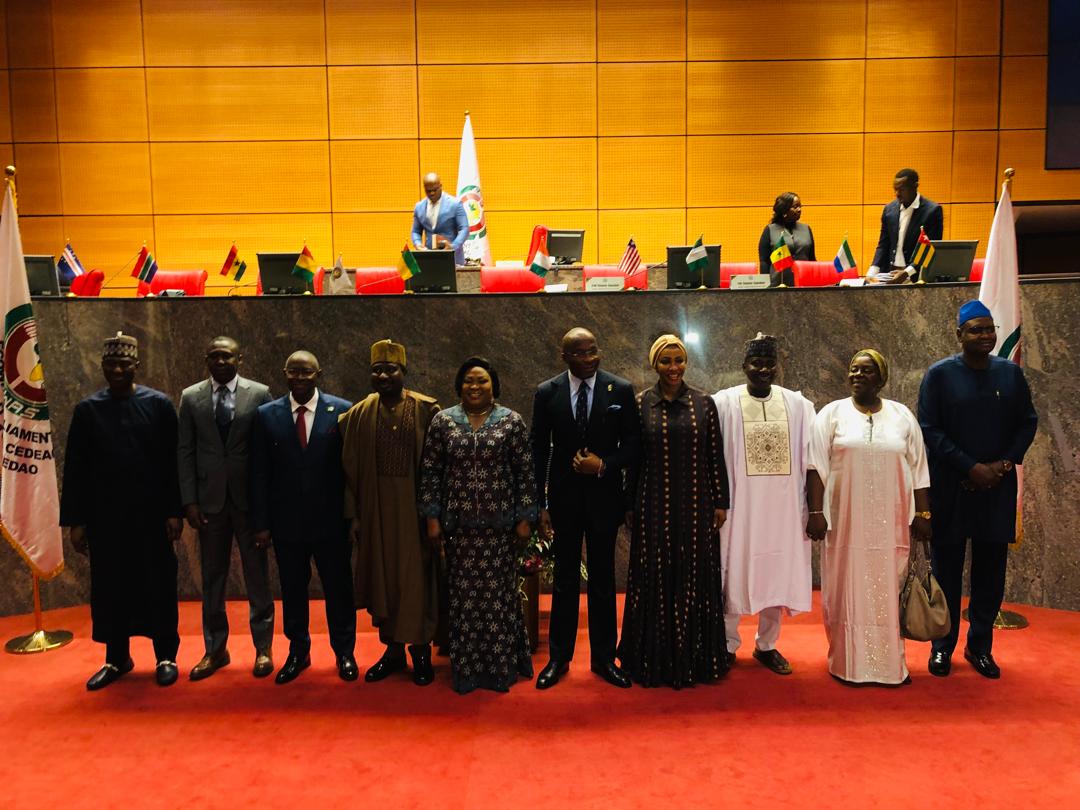
Nigeria urges ECOWAS parliament to fast-track AfCFTA laws